Budget Spreadsheet for Beginners – Simple Tips to Organize Your Monthly Finances
Do you feel scared when you see your bank account? Does thinking about your money make you feel bad or confused? You are not alone. Many people feel the same way. It is not easy to take care of money, especially if you don’t have a plan. Sometimes we buy things without thinking. At the end of the month, we do not know where the money went. The good news is that taking care of your money can be simple. You do not need any special app or costly program to make a budget. In 2025, an easy way to manage your money is by using a budget spreadsheet. It is free, simple, and helps you stay neat and organized.
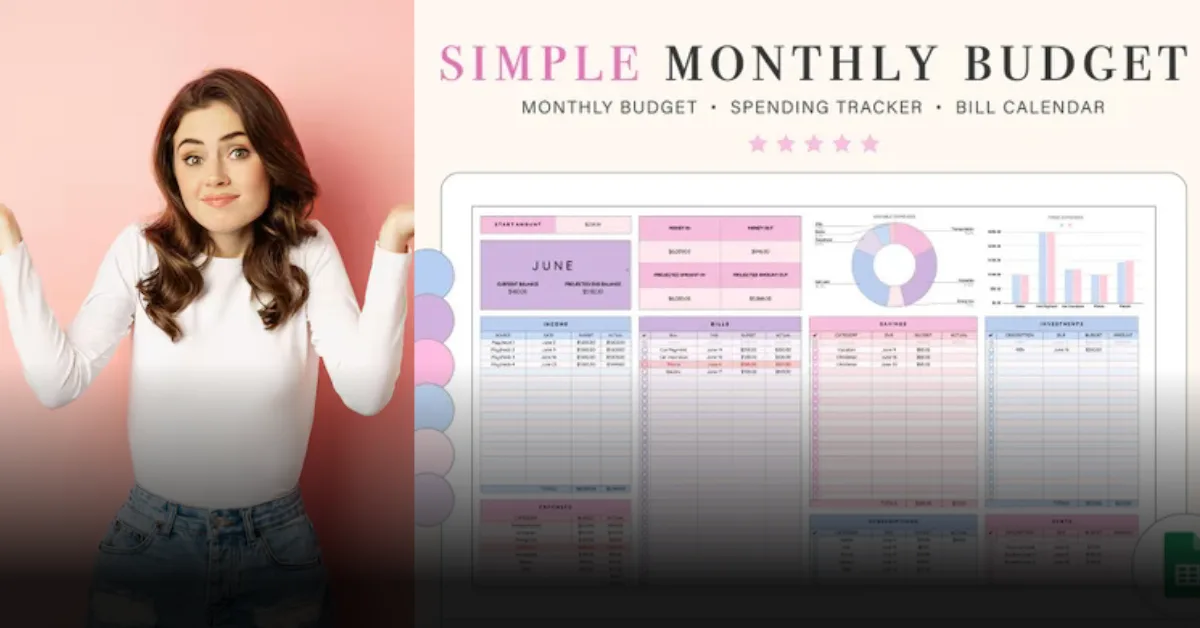
A budget spreadsheet is a place where you write your income, spending, and savings. You can see how much money you have, how much you spend, and how much you save. When you understand your money, you can make better choices. This easy guide will show you how to use a spreadsheet to watch your money, save more, and feel in control. Follow these seven easy tips to start your journey to a happy and stress-free money life.
Choosing Your Tool: Google Sheets Budget Template vs. Excel
Before you start, you need to choose where to make your budget. The 2 good tools are Google Sheets and Microsoft Excel. Both are best, but each has different different benefits.
| Tool | Pros for Beginners | Search Intent Targeted |
|---|---|---|
| Google Sheets Budget Template | Free, online, simple to share, duties on all devices. best for couples. | Free budget template 2025, Student budget spreadsheet |
| Excel Budget Spreadsheet | Strong formulas, works offline, good for professionals. | Downloadable budget template, Young professional budget |
Tip: Start with Google Sheets. It’s free, easy to use, and you can open it anywhere.
How to Use a Budget Spreadsheet: A Step-by-Step Budgeting Guide
Many persons give up on budgeting because they build it too difficult. Keep it easy and follow these all simple steps.
Income and Expenses Tracking: The Foundation of Every Simple Budget 2025
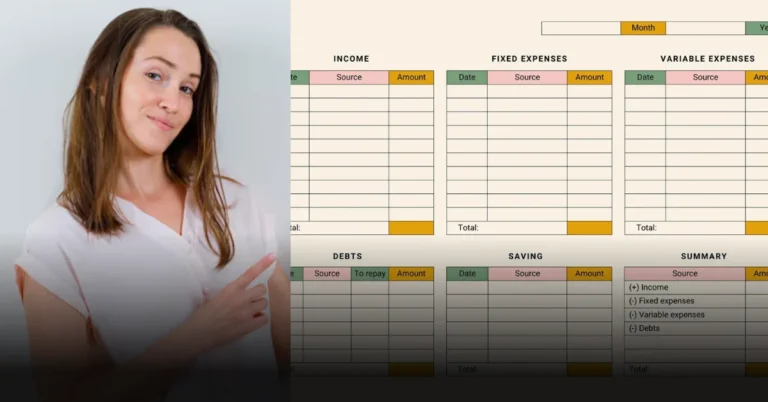
Your spreadsheet should have three main parts: Income, Fixed Expenses, and Variable Expenses.
These parts help you understand your money and plan your budget. When you put your income and expenses in these parts, you can see where your money comes from and where it goes. This is a simple and helpful way to manage your money and stop spending too much.
Income
This is all the money you get. Write down every way you earn money. It can be from your job, part-time work, side work, or extra money like gifts or small business income. When you list all your income, you will know how much money you have each month. This helps you make a good plan for your money.
Fixed Expenses
These are things you pay the same amount for every month. Some examples are rent, car payment, insurance, or subscriptions. Fixed expenses are easy to plan because they do not change much.
Variable Expenses
These are things you pay for that change each month. Examples are food, gas, clothes, or fun activities. When you write these down, you can see how much you spend and save more money. This helps you make better choices with your money.
Master Spreadsheet Formulas for Easy Cash Flow Management
You don’t need to know coding to use a spreadsheet. Just learn a few easy formulas.
- Total Income:
=SUM(A1:A10) - Remaining Funds:
=Total Income - Total Expenses
If your remaining funds are negative, you are spending too much. Look at your expenses and find where to cut back.
Strategies to Budget to Save Money
Budgeting is not only about tracking your money. It’s also about planning and saving. These simple rules can help.
Applying the 50/30/20 Budget Rule Explained
This is an easy and popular rule. It divides your income into three parts:
- 50% Needs: Rent, food, utilities, and basic bills.
- 30% Wants: Eating out, hobbies, entertainment.
- 20% Savings or Debt Payments: Save money, invest, or pay off debt.
You can make three sections in your spreadsheet to match these numbers. It helps you see how much money goes into each area.
Integrating Your Savings Goals Spreadsheet and Debt Payoff Tracker
Make saving money a habit, not an option. Add a “savings” line in your expenses. Treat it like a bill you must pay every month. You can also build a latest tab for your savings aims — for example, “Vacation Fund” or “Home Fund.” Link your savings to that tab so you can look your progress.
Looking your savings increase will motivate you to keep going.
Avoiding Common Budgeting Mistakes in the Digital Age
To reach your balance aims, you must avoid some usually budgeting issues.
Forgetting Small Costs: Don’t ignore small costs like streaming helps or tools fees. These all small pays add up over time.
Setting Unrealistic Numbers: Be honest related how much you use. If you use $400 on groceries, don’t write $100. Start with original numbers, then adjust later.
Not Updating the Spreadsheet: Check your budget at least once a week. Add the latest using. Set a reminder on your mobile so you don’t forget.
Final Call to Action
Your journey to better money habits starts today. Open a budget spreadsheet, fill in your income and expenses, and stay consistent. You don’t need to be perfect — just start and keep going. Small steps every week will make a big difference.
Which of the 7 tips will you try first?
Share your money goals in the comments!
Follow us on social media or subscribe to our newsletter to get your free budget template 2025!
Disclaimer:
This article is for education only. Always check financial advice with trusted sources or certified financial experts before making big money decisions.